Limited-Time Weekend! Exclusive Grab a 70% Discount

1234569876

educationxyz@example.com

Delhi Sultanate

Medieval Indian History

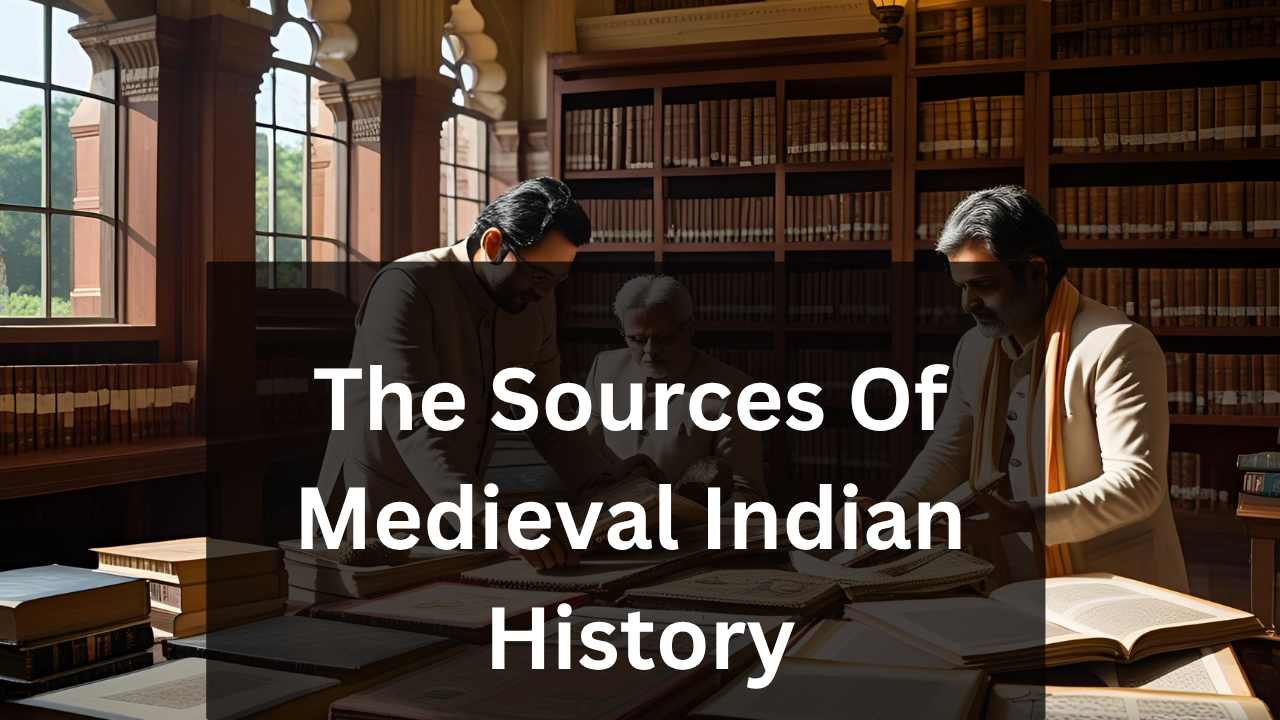
The Sources Of Medieval Indian History

The Sources Of Medieval Indian history, spanning roughly from the 8th to the 16th centuries, is a vibrant tapestry woven from diverse sources that illuminate the political, social, cultural, and economic life of the period. These sources include archaeological remains, epigraphic records, numismatic evidence, material artifacts and monuments, chronicles, literary…
Medieval Indian History

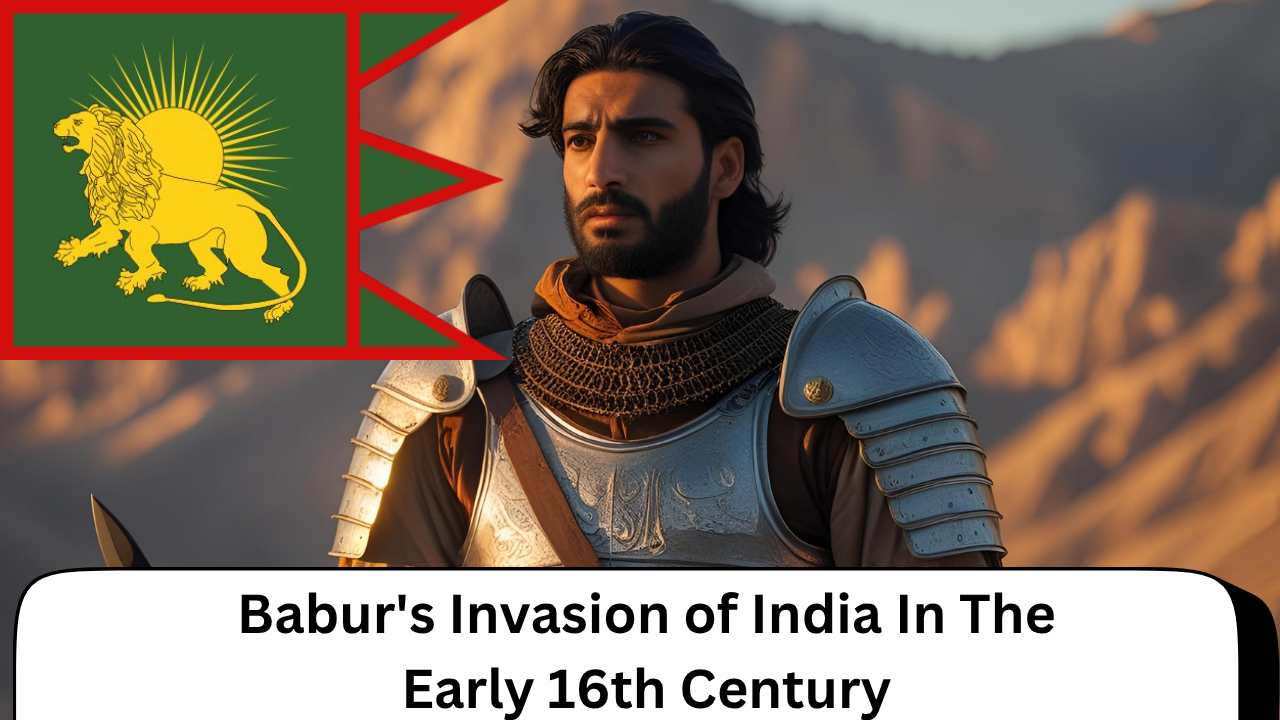
Babur’s Invasion of India In The Early 16th Century

This post is about Babur’s Invasion of India in the early 16th century. India stood at a crossroads, fragmented by rival kingdoms and internal strife, setting the stage for a transformative chapter in its history. Enter Zahiruddin Muhammad Babur, a determined warrior from Central Asia, who, with a small but…

Medieval Indian History

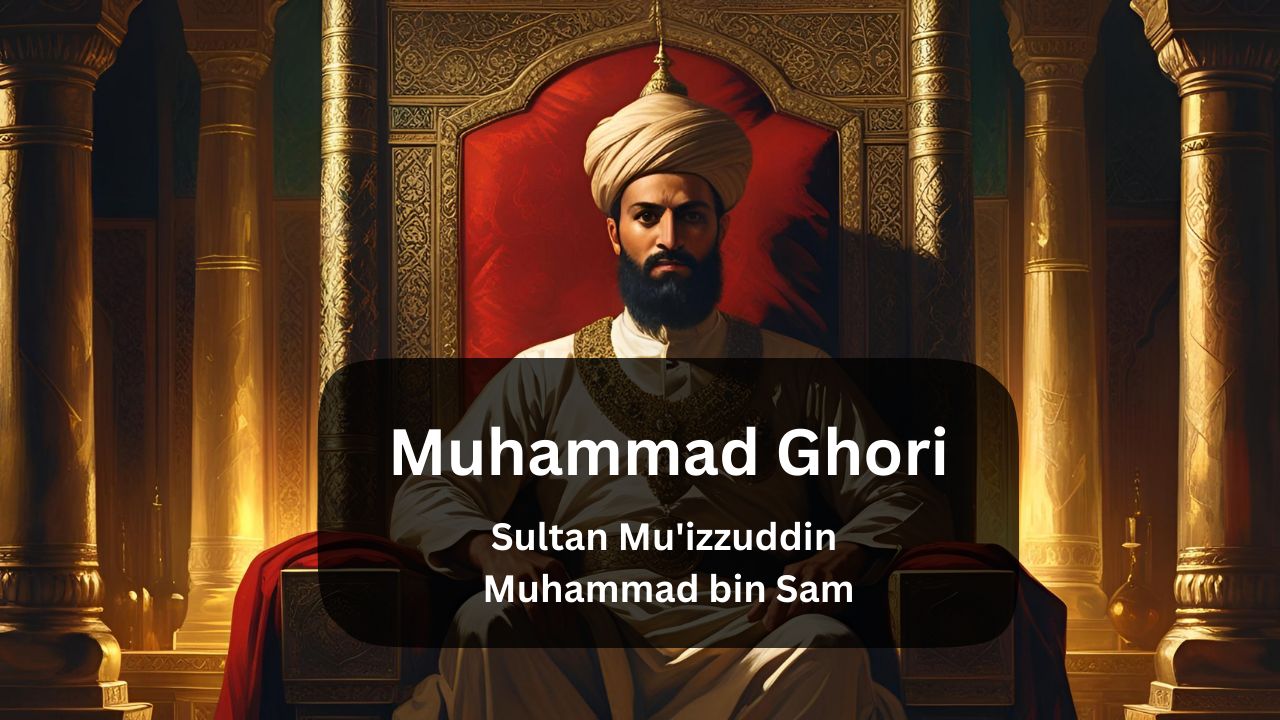
Muhammad Ghori: Life, Nature and Character

Sultan Mu’izzuddin Muhammad bin Sam, more commonly known as Muhammad Ghori, stands as a pivotal figure in the history of medieval India and Central Asia. His reign marked the establishment of Turkish rule in northern India, laying the foundation for the Delhi Sultanate, which would shape the subcontinent’s political landscape…

Medieval Indian History

Trade and Commerce in Medieval India: A Comprehensive Overview

The history of trade and commerce in medieval India, particularly during the Delhi Sultanate and Mughal periods, reflects a vibrant and dynamic economic system that shaped the subcontinent’s socio-economic landscape. This article explores the intricate facets of trade and commerce, delving into state policies, internal and external trade, European trade…

Medieval Indian History

Balban’s Theory of Kingship: How He Built Absolute Power

Explore below Ghiyasuddin Balban’s Theory of Kingship and his ruthless policy of blood and iron that restored the Delhi Sultanate’s prestige. Learn about his divine right claims, Persian traditions, and measures like Sijada, espionage, and the destruction of the Turkish nobles Introduction In the history of medieval India, few rulers…

Medieval Indian History

The Religious Movements In Delhi Sultanate

Explore the religious movements during the Delhi Sultanate, including the rise of Sufism and the Bhakti tradition, their impact on medieval Indian society, syncretic cultural developments, and resistance to orthodoxy. Understand how spirituality shaped the political and social landscape between the 13th and 16th centuries. The Delhi Sultanate, from the…

Medieval Indian History

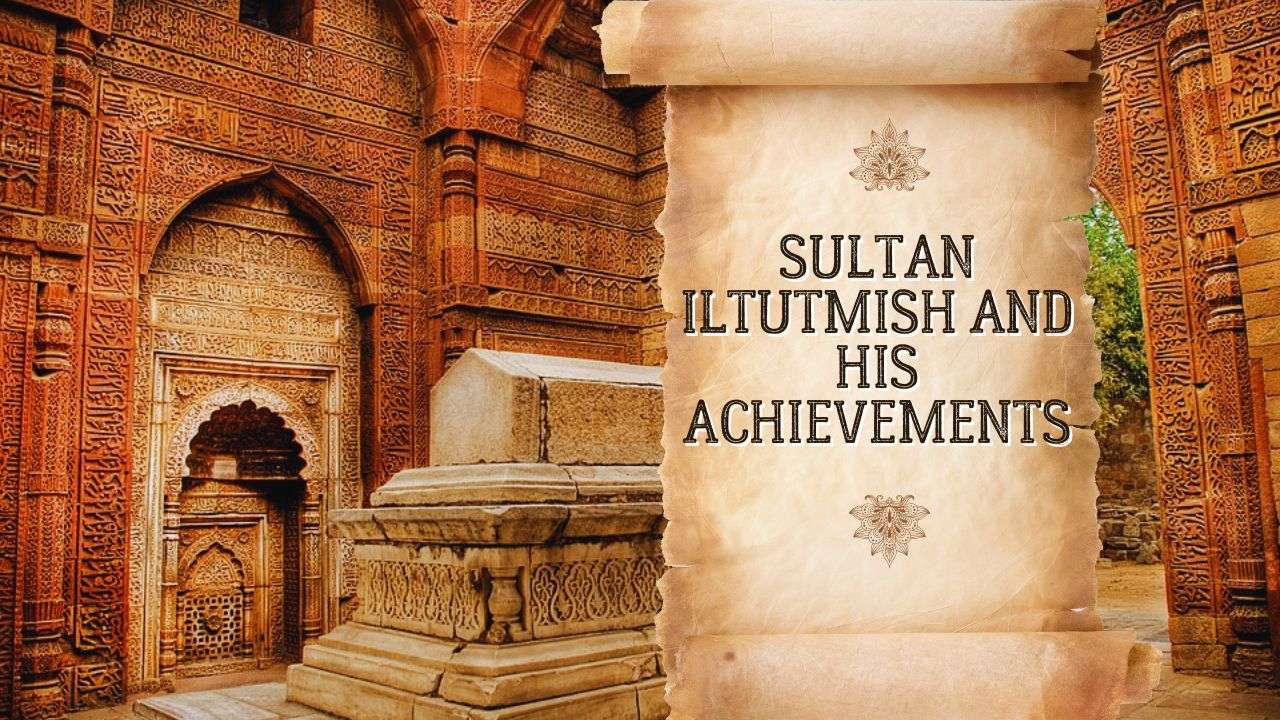
Sultan Iltutmish And His Achievements: A Comprehensive Account

Following the death of Qutubuddin Aibak, a dispute erupted among the nobles regarding succession. While the nobles at Lahore accepted Aibak’s son, Aram Shah, as the next ruler, the Delhi nobility opposed this move and instead invited Iltutmish, Aibak’s son-in-law and a prominent governor, to assume power. Aram Shah attempted…

Medieval Indian History

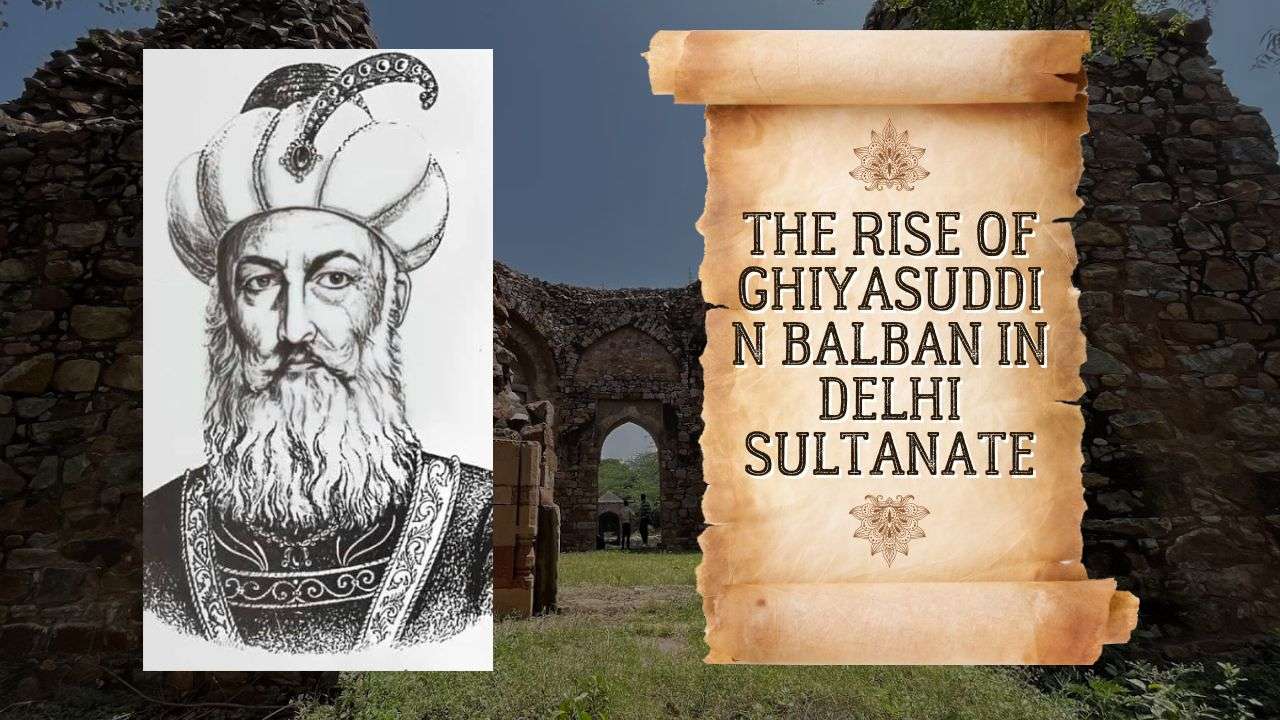
The rise of Ghiyasuddin Balban In Delhi Sultanate

The story of Ghiyasuddin Balban’s rise in the Delhi Sultanate is one of ambition, resilience, political skill, and administrative reform. From being sold as a slave to ascending the throne of Delhi, Balban’s journey reflects the volatile and dynamic nature of power in the 13th-century Sultanate. His reign marks a…

Medieval Indian History

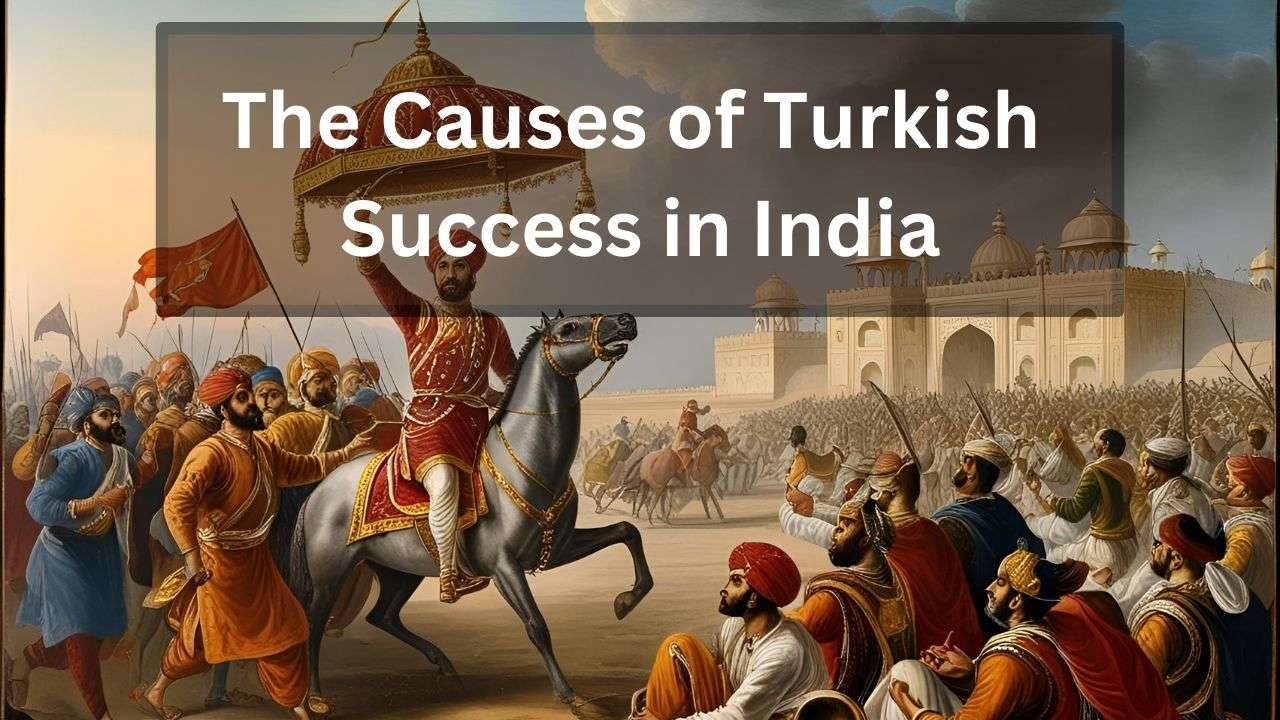
Causes of Turkish Success in India: A Detailed Analysis

The Turkish Success and conquest of northern India between the 10th and 13th centuries stands as one of the most transformative episodes in Indian history. These invasions, led initially by the Ghaznavids and later by the Ghurids, not only marked the end of the fragmented Rajput dominance but also paved…

Medieval Indian History

Muhammad Bin Tughlaq and His Ambitious Projects

Among the rulers of the Delhi Sultanate, Muhammad bin Tughlaq (r. 1325–1351) stands out as one of the most enigmatic and intellectually ambitious sovereigns. A man of remarkable erudition, vision, and administrative zeal, he embarked upon a series of radical experiments aimed at strengthening the state and expanding its resources.…